

G William (Bill) Rebeck, PhD
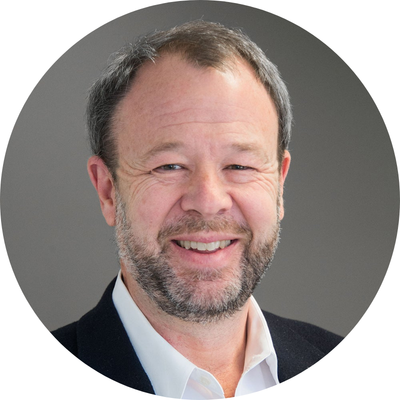
Professor
Director, Aging and Alzheimer’s Research Training Program
Connect
Research Building, Room WP-15
Phone: 202.687.1534
E-mail: bill.rebeck@georgetown.edu
Education
PhD, 1991, Harvard University (Toxicology)

I have been working on aspects of cell and molecular processes in Alzheimer’s disease (AD) pathogenesis since 1991. My research has focused on the strongest genetic risk factor for AD, APOE4. We have demonstrated the effects of APOE4 on types of amyloid deposition (extracellular plaques, intraneuronal Abeta, cerebral amyloid angiopathy) and neuronal damage in mouse models of AD and human brains. We are currently examining the cause of the most common side effect of anti-amyloid therapies in humans, known as amyloid-related imaging abnormalities. These studies have focused on the immune functions in the brain and blood vessels. In related work, we study the effects of cancer and chemotherapy on cognitive impairment (or “chemobrain”) in collaborative work with the Lombardi Comprehensive Cancer Center. Overall, we are interested in how genetic predisposition interacts with environmental exposure and lifestyles to cause or prevent neurodegeneration.
Dr Bill Rebeck, Director of Center for Healthy Aging
The Georgetown Center for Healthy Aging is committed to promoting healthy aging, preventing and treating illness and disability, and achieving equity in health and well-being across the life course. Through symposia, grants, and programs, the Center nurtures new research on aging-related topics across various fields such as the basic, clinical, population, and social sciences; public policy; and healthcare systems. The Center contributes expertise to existing educational programs and new initiatives across the University and with community-based organizations. The general goal is to expand the diversity and numbers of transdisciplinary researchers collaborating with stakeholders and communities, improving healthcare, and enhancing the quality of life during aging.
Dr Bill Rebeck, Director of AART
Dr. Rebeck directs the Georgetown University “Aging and Alzheimer’s Research Training” (AART) program through a grant from the NIH. AART addresses the increasing need in the United States for scientists addressing chronic diseases. It supports both pre-doctoral students and post-doctoral fellows across Georgetown departments and campuses. AART has organized a comprehensive set of opportunities for trainees to be trained in many aspects of successful careers, particularly in exposure to a breadth of research approaches, rigorous data analysis, clinical exposures, as well as helping them develop clear and compelling writing and oral presentations. The program relies on a deep pool of faculty across disciplines and experience levels who are committed to good mentoring.
Heart of the Harvey Performers Explore ‘the Art of Medicine and the Medicine of Art’
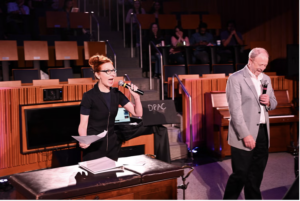
For co-producer Dr. Bill Rebeck, a neuroscience professor with a Ph.D. in toxicology and an MFA in creative writing, the event offers university performers and audience members an opportunity to connect with others and gain a new perspective on their work and lives.
“It is fun to perform, it is fun to hear your words on a stage, it is fun to see your colleagues, friends, and family express themselves in rich ways,” Rebeck said. “I would say that it also builds community and it reminds us of the humanity in what we do, whether it be in clinical medicine, research, or personal struggles.”
2017 President’s Awards for Distinguished Scholar-Teachers
The President’s Awards for Distinguished Scholar-Teachers at Georgetown University recognize and celebrate the integration of outstanding research and excellence in teaching at our University. The Awards not only honor the individual recipients but also emphasize standards of excellence at Georgetown.
Bill Rebeck, PhD, received this honor in 2017.